

Welcometo Umniya

Transforming wishes
into families

Starting a fertility journey is deeply personal.

It is a meaningful step toward building the family you envision, guided by possibility, support, and informed care. Whether you are just beginning to explore your options or already moving forward with treatment, Umniya is designed to support you through every stage of the journey.

At Umniya, we believe fertility care should not be handled in isolation. It should care for the whole of you - your body, your emotions, your lifestyle, and your vision for your future family.

We are here to help you be informed, prepared, and supported. We will walk you through what to expect, what each step means, and how Umniya’s care is being designed around you.

You are not expected to navigate this alone.

We are here with you — every step of the way.

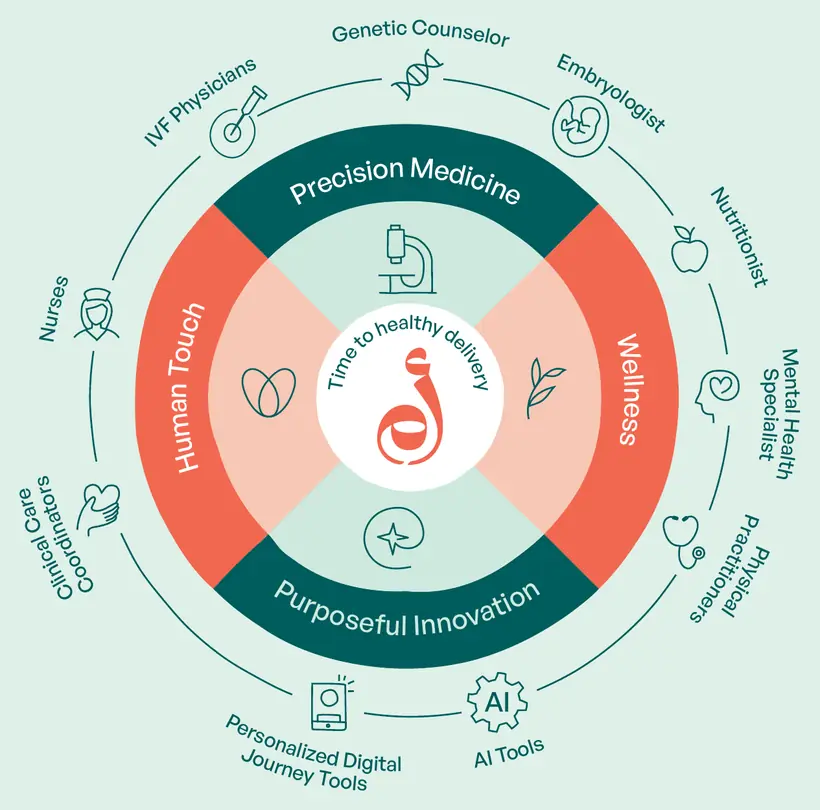
The Umniya Method®

Our coordinated system for delivering the next generation of fertility solutions.

Fertility care is often fragmented.
Different tests, different specialists, different decisions all happening in isolation.

The Umniya Method was created to bring every element of fertility care together into one coordinated system.

Where science, clinical expertise, and patient care work as one.

Through four pillars of care, the Umniya Method allows us to:

  1. Understand your fertility
  2. Personalize your care
  3. Integrate science and technology
  4. Optimize wellbeing

So that every fertility journey is designed around the whole person.

Understand

Precision Medicine

We begin by understanding each patient’s fertility in depth.
Through advanced diagnostics, clinical expertise, and data-driven evaluation, we identify the biological factors shaping each fertility journey. Because effective treatment begins with understanding.

Personalize

Human Touch

Once we understand the patient, we personalize the journey. Our physicians, embryologists, nurses, and care coordinators work together as one coordinated team to design treatment pathways tailored to the individual. Because no two fertility journeys are the same.

Integrate

Purposeful Innovation

We integrate technologies and scientific advancements that genuinely improve outcomes. From advanced laboratory science to intelligent systems connecting the care pathway, every element works together to support better results.

Optimize

Wellness

Fertility is influenced by more than reproductive biology. Overall health, lifestyle, and emotional wellbeing all contribute to reproductive outcomes. Our wellness approach helps patients prepare their bodies and minds for treatment.

The Umniya Method: Precision Medicine, Human Touch, Purposeful Innovation and Wellness around Time to healthy delivery

Your Journey at a Glance

Your care follows a clear, step-by-step pathway:

  1. Understanding you
  2. Preparing your body
  3. Stimulation and monitoring
  4. Egg collection
  5. Fertilization, embryo development & genetic testing
  6. Embryo transfer
  7. Aftercare and follow-up

We will guide you through each stage, one step at a time.

Your Care Team

Your journey is supported by a dedicated team working together around you.

  • Your Physician

    Leads your treatment and guides all medical decisions.

  • Your Clinical Care Coordinator

    Your main point of contact for appointments, medications, and day-to-day questions. If you are unsure about anything, this is your first call.

  • Our Nursing Team

    Supports you through procedures, injections, and daily care.

  • Our Embryology Team

    Works behind the scenes with precision, supporting fertilization and embryo development.

  • Our Financial and Administrative Team

    Helps you understand insurance, approvals, and financial planning.

At Umniya, your team works as one to make this journey seamless for you.

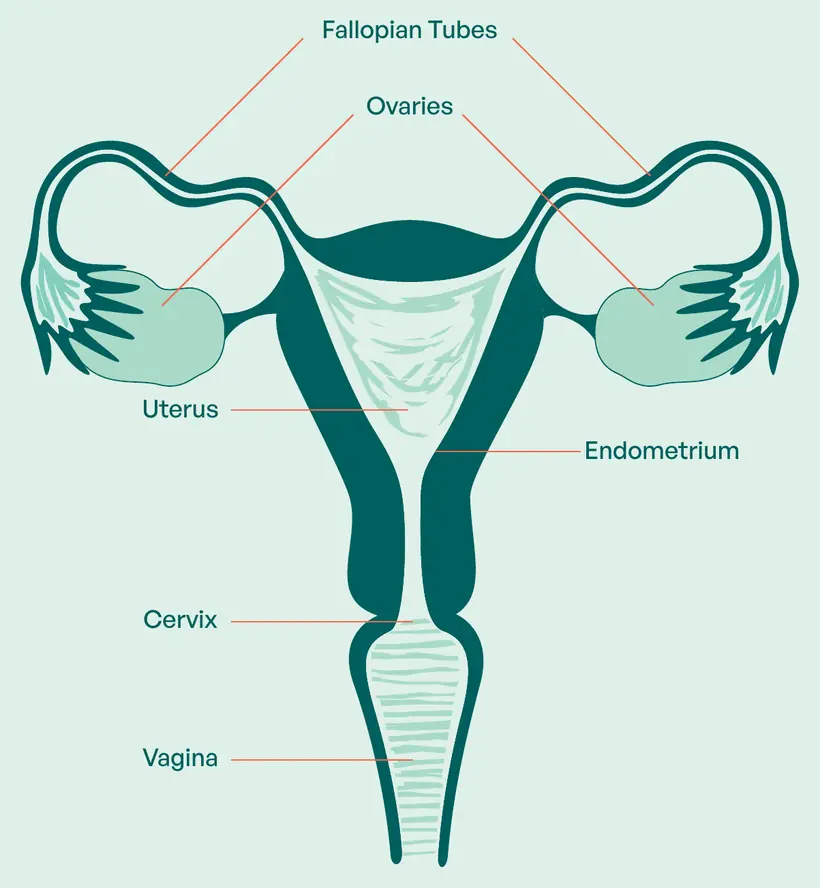
Your Anatomy

Your Anatomy: Fallopian Tubes, Ovaries, Uterus, Endometrium, Cervix, Vagina

The Fertility Terminology

Our goal is to provide you with information. Use this information to empower yourself with the facts about your body and take control of the future of your fertility.

Antral Follicle Count

A transvaginal ultrasound is performed to determine the number of follicles or premature eggs your body has recruited for a given month. Follicle count can be determined at any time during your cycle and even while you are on birth control. Follicle count less than 10 indicates a low egg count. Ideal follicle counts will vary depending on your age.

Anti-Mullerian Hormone (AMH)

AMH provides an estimation of your ovarian reserve. It can be tested at any time during your cycle and while on birth control. AMH levels (and hence fertility) decline with age. AMH is reported as a blood level:

  • < 1 indicates a low egg count
  • 1-6 indicates a normal egg count
Egg Quality

You cannot test the quality of eggs. We know that egg quality, which is the 23 chromosomes that make up the DNA of an egg, declines with age. Once an egg is fertilized with sperm and an embryo is created, the embryo can be biopsied to check the genetics/quality of the embryo.

Mature Egg

Only a mature egg can be fertilized by sperm to create an embryo. Naturally, your body only matures one egg (ovulation) per month. During egg/embryo freezing, hormone injections are used to mature the group of follicles your body has recruited. During a stimulation cycle, typically 60-80% of eggs will become fully mature.

Stimulation

Stimulation is the phase of fertility treatment where hormone injections are used to encourage the ovaries to produce multiple eggs instead of the single egg that usually develops in a natural cycle.

Blastocyst

A blastocyst is an embryo that has developed for about 5 to 6 days after fertilization. At this stage, it has many cells and is more developed, which helps specialists assess its progress before transfer or freezing.

Biopsy

A biopsy is the removal of a very small sample of cells for testing. In fertility treatment, this usually refers to taking a few cells from an embryo so they can be examined for genetic information.

Genetic Testing

Genetic testing looks at genes or chromosomes to identify abnormalities or inherited conditions that may affect fertility, embryo development, pregnancy, or the health of a baby.

PGT-A

Preimplantation Genetic Testing for Aneuploidy. This test checks whether an embryo has the correct number of chromosomes. It helps identify embryos that may have extra or missing chromosomes.

Carrier Screening

Carrier screening is a blood test done on one or both partners to see whether they carry genes for certain inherited conditions, even if they do not have symptoms themselves.

PGT-M

Preimplantation Genetic Testing for Monogenic disorders. This test is used when there is a known risk of passing on a specific inherited genetic disease, such as a single-gene disorder, from parent to child.

Karyotyping

Karyotyping is a test that looks at the number and structure of a person’s chromosomes. It can help detect chromosomal rearrangements or abnormalities that may affect fertility, miscarriage risk, or embryo health.

Endometrial Preparation

Endometrial preparation is the process of getting the lining of the uterus ready for embryo transfer. This may involve medications and monitoring to make sure the lining is at the right thickness and condition for implantation.

Embryo Transfer

Embryo transfer is the procedure in which an embryo is placed into the uterus using a thin catheter. It is usually a simple procedure and is a key step in IVF treatment.

Your Journey, Step by Step

  1. Step 1

    Understanding You

    Your journey begins with listening.

    We take the time to understand your medical history, your lifestyle, and your goals. Initial investigations may include hormone testing, ultrasound, and, when applicable, semen analysis.

    This stage builds a complete picture so your care can be designed with intention.

    What this means for you:

    This is a discovery phase. You may not have all the answers yet — and that is completely okay.

  2. Step 2

    Preparing Your Body

    Before treatment begins, we prepare your body for the best possible outcome.

    This may include hormonal support, lifestyle guidance, or specific medical recommendations based on your results.

    What this means for you:

    Small adjustments now can improve how your body responds later.

  3. Step 3

    Ovarian Stimulation & Monitoring

    You will begin a personalized medication plan to stimulate egg development.

    This is often the most active phase of your journey and typically lasts around 10–14 days.

    You will attend regular monitoring appointments, including ultrasounds and blood tests. These allow us to track your progress and adjust your treatment as needed.

    You may experience bloating, fatigue, or mood changes during this time. This is normal.

    What this means for you:

    Your schedule may revolve around your treatment during this stage, and that is expected.

  4. Step 4

    Trigger & Egg Collection

    Once your follicles are ready, you will be told the exact time to take the trigger injection. It is very important that you take it precisely at that time, as this prepares your body for egg retrieval.

    Egg collection is a short procedure performed under sedation.

    Afterwards, you may experience mild cramping, spotting and/ or discomfort.

    What this means for you:

    You will need to rest on the day of the procedure and take it easy shortly after.

  5. Step 5

    Fertilization & Embryo Development

    Your eggs are fertilized in the laboratory and monitored over several days.

    Not every egg will fertilize, and not every embryo will continue developing. This is a natural part of the process.

    We will keep you updated with clear and meaningful information.

    As embryos develop, they will be assessed in the laboratory and monitored as they progress toward the blastocyst stage. At the appropriate time, a small biopsy will be taken for genetic testing. This is a routine part of our process and helps provide important information before the next step in treatment.

    What this means for you:

    This stage involves waiting. Many patients feel a mix of hope and anxiety during this time.

  6. Step 6

    Embryo Transfer

    A selected embryo is transferred into the uterus in a simple procedure.

    After the transfer, you will enter a waiting period before your pregnancy test, usually around 10–14 days.

    What this means for you:

    This can be one of the most emotionally intense phases. Support matters here.

  7. Step 7

    Aftercare & Follow-Up

    Following your procedure, your body continues its work.

    You will receive clear guidance on medications, lifestyle, and next steps. We will monitor your progress and support you moving forward, whatever the outcome.

    What this means for you:

    Your care does not end after the procedure. Recovery, monitoring, and follow-up are all important parts of the process.

Your Cycle Timeline

  1. Pre-Cycle Kickoff

    • Complete all testing with partner
    • Setting expectations
    • Financial/coverage visibility
    • Meet the support team
  2. While you wait for your cycle to start

    • Prediction kit to monitor your coming cycle
    • Discuss your current medication/birth control with your doctor
    • Stay active and manage stress
    • Eat healthy, stay hydrated and avoid smoking
    • Stay in touch with your care team
  3. Cycle Start

    • Watch injection tutorial videos to get familiar
    • Ask questions
    • Your Umniya care team is available 24/7
  4. Start Your Injections (day 2-3)

    • Attend appointment and get bloodwork and ultrasound done in clinic.
    • Both you and your partner will sign all consents related to your treatment and have the opportunity to ask questions to your care team.
    • Follow medication instructions of doctor.
    • Your team will book your follow-up appointment
  5. During Your Cycle (2 Weeks)

    • Every 2-3 days, bloodwork & ultrasound in the morning
    • Following these visits, you will get instructions from your care team on the next steps
    • Take injections around the same time everyday
    • Report unusual symptoms to your care team
  6. Trigger Shot

    • Final injection 35-37 hours prior to your egg retrieval
  7. Egg Retrieval

    • 10-15 minute procedure under anesthesia with IV sedation performed vaginally with a small ultrasound guided needle
    • Someone will need to take you home
  8. Post-Op

    • Scheduled follow-up phone call 1 day after the retrieval with the physician or nurse

Can Do

  • Light exercise: yoga, pilates, walking, stair climbing — listen to your body, if it feels uncomfortable, stop
  • Go to work as you normally would
  • Normal daily activities
  • 1 cup of caffeinated beverage per day

Can’t Do

  • High-impact exercise: running, jumping, HIIT training, contact sports, spinning
  • Alcohol/smoking
  • Any Aspirin or Ibuprofen products (Advil, Motrin, Aleve)
  • Traveling for more than 1-2 nights

Side Effects

  • Bloating — can last up to 2 weeks after your retrieval
  • Cramping — mostly on the day of your retrieval
  • Headache
  • Fatigue

Medication & Injection Guide

For many patients, this is one of the most unfamiliar parts of the journey.

It is completely normal to feel unsure at first. Most injections are taken once daily, often at the same time each day, and are usually administered in the abdomen.

You will receive:

  • A clear medication schedule
  • Step-by-step instructions
  • Ongoing support from your care team

With time, this becomes a routine.

What to expect:

  • Mild bloating
  • Temporary mood changes
  • Slight sensitivity and mild redness at the injection site

These are common and usually temporary

Contact your team if you experience:

  • Severe pain
  • Rapid swelling
  • Unusual or concerning symptoms

Documents & Consents

Throughout your journey, you will be asked to review and sign consent forms. These are an important part of your care and help make sure that you fully understand your treatment, your options, possible risks, and any planned procedures.

For some treatments, your partner’s signature is also required. This is both an important part of shared decision-making and a legal requirement in the UAE for certain fertility treatments and procedures.

Take your time. Ask questions. Feel comfortable before proceeding.

Companion Guide

If you are going through this with a partner or companion, their role matters.

They may not experience the process in the same way, but their support can make a meaningful difference.

Support can be simple:

  • Being present
  • Listening
  • Helping with small practical things

It does not need to be perfect. It needs to be consistent.

Male Investigations

Male investigations are an important part of the fertility workup. They help assess sperm quality, hormonal function, and any underlying male-factor concerns that may affect fertility treatment planning.

Hormonal Panel

A hormonal panel is used to evaluate the hormones that influence sperm production and male reproductive function.

Semen Analysis

A semen analysis is one of the main investigations used to assess male fertility. It evaluates several factors including semen volume, sperm concentration, motility, morphology, and other characteristics that help determine sperm quality and fertilizing potential.

Abstinence window

Recommended abstinence window is 2 to 5 days unless otherwise instructed by the physician or laboratory. Too short or too long an abstinence period may affect the sample quality and may influence the interpretation of the results.

Collection at home instruction

If sample is collected at home, it is important to deliver the sample to the clinic or laboratory within the time frame advised, usually within 30 to 60 minutes. The patient himself should be the one to drop of the sample. It will not be accepted if delivered by anyone else.

DNA Fragmentation

DNA fragmentation testing looks at the quality of the genetic material within the sperm. Even when a standard semen analysis appears acceptable, increased sperm DNA fragmentation may affect fertilization, embryo development, implantation, or pregnancy outcomes in some cases. This test may be recommended in selected situations such as recurrent implantation failure, recurrent miscarriage, unexplained infertility, or ongoing concerns about sperm quality.

Sperm Cryopreservation

Sperm cryopreservation is the process of freezing and storing sperm at very low temperatures so it can be used later for fertility treatment or preservation. A doctor may suggest sperm cryopreservation in certain situations, such as before medical treatment or when future fertility may be at risk.

Frequently Asked Questions

What should I do when my period starts?

When your period begins, it usually marks the start of a new phase in your treatment.

We ask that you inform your Care Coordinator or the clinic on the first day of your cycle (Day 1). This allows us to schedule your baseline scan and confirm the next steps in your plan.

From there, your team will guide you on when to come in, when to start medication, and what to expect next.

There is no need to second guess, simply let us know, and we will take it from there with you.

What if my period starts at night or on the weekend?

If your period starts outside of clinic hours, there is no need to worry.

You can note the first day of full flow as Day 1, and inform us the following morning or on the next working day.

If timing is critical for your specific treatment cycle, your Care Coordinator will already have guided you on what to do in advance.

At Umniya, we plan ahead so that you are never left uncertain — even outside of clinic hours.

What if I miss my medication dose?

If you miss a dose, the most important thing is not to adjust or double your medication on your own.

Instead, contact your Care Coordinator or the clinic as soon as possible. We will guide you on exactly what to do next based on your treatment stage and timing.

In many cases, a small delay can be managed but it is important that we advise you directly.

We understand that this can happen, especially with new routines. You are not expected to manage this alone.

Why is trigger injection so important?

The trigger injection is one of the most precisely timed steps in your treatment.

It signals your body to complete the final stage of egg maturation and prepares the eggs for collection.

The timing of this injection is critical because it directly determines:

  • The readiness of the eggs
  • The success of the egg retrieval procedure

This is why you will be given very specific instructions on when to take it, often down to the exact hour.

If you are ever unsure about the timing, please contact your care team immediately — we are here to guide you through it with precision.

Can I have intercourse during treatment?

This can depend on the stage of your treatment, so it is always best to follow the guidance of your doctor.

In general:

  • During stimulation, intercourse may be allowed in the early phase
  • As your ovaries enlarge, we may advise avoiding intercourse to prevent discomfort or complications
  • Before certain procedures (such as egg collection), you may be asked to abstain for a specific period

Your care team will guide you clearly at each stage, so you feel comfortable and informed.

If you are ever unsure, it is always best to ask. We will give you guidance that is specific to your situation.

What are my chances of success?

This is one of the most important questions, and it is completely natural to think about it early on.

Fertility treatment outcomes vary from person to person and are influenced by several factors, including age, medical history, and how your body responds to treatment.

At Umniya, our focus is on creating the best possible conditions for success. This means designing a treatment plan that is tailored specifically to you, monitoring your progress closely, and adjusting your care when needed.

Why does this feel overwhelming?

For many patients, this is an entirely new experience.

There are multiple steps, new routines, unfamiliar terminology, and important decisions to make — often within a relatively short period of time. It is very natural for this to feel overwhelming at times.

At Umniya, we aim to make this feel more structured and manageable by guiding you step by step. You are not expected to understand everything at once or carry the full process on your own.

We move through it together, at a pace that feels clear and supported.

Why are there so many appointments?

The frequency of appointments is intentional and plays an important role in your treatment.

Your body responds to medication in its own way, and this response can change over time. Regular ultrasounds and blood tests allow us to understand what is happening in real time and adjust your treatment accordingly.

This level of monitoring helps us optimize timing, improve outcomes, and reduce risks.

While it may feel repetitive, each appointment is part of ensuring that your care is precise and tailored to you.

Is it normal to feel emotional?

Yes, very much so.

Fertility treatment is not only a physical process — it can also be emotionally demanding. Hormonal changes can influence how you feel, and the experience itself can bring a mix of hope, anticipation, and uncertainty.

You may notice that your emotions shift from one day to the next, and this is a normal part of the journey.

If at any point it feels difficult to manage, we encourage you to speak with your care team. You are supported not only medically, but emotionally as well.

Can I continue my routine?

In most cases, you can continue with your normal daily routine, including work and light activities.

That said, there may be certain phases of treatment where we recommend slowing down slightly, particularly during ovarian stimulation and after procedures.

Listening to your body becomes important during this time, and we will guide you on what feels appropriate at each stage.

Our aim is to help you maintain a sense of normalcy, while also supporting your body through treatment.

Are there things I should avoid?

There are a few general recommendations that can support your body during this process.

We usually advise avoiding smoking, limiting alcohol and caffeine intake, and reducing high-intensity physical activity.

More broadly, we encourage a balanced lifestyle that supports rest, proper nutrition, and emotional wellbeing.

Small, consistent adjustments can have a positive impact on how your body responds to treatment.

What if things do not go as planned?

Fertility treatment does not always follow a perfectly linear path.

There may be moments where the body responds differently than expected, and adjustments are needed. In some cases, a cycle may need to be modified or paused.

We understand that this can feel disappointing or uncertain.

If this happens, we will take the time to explain what it means, what we have learned, and what the next steps could look like. You will always be guided with clarity, honesty, and care.

What happens to additional embryos?

If there are additional embryos that develop well, you may choose to freeze them for future use.

This can provide flexibility for future planning and may reduce the need to repeat the full treatment process.

This decision is always yours, and we will guide you through your options so that you can make a choice that feels right for you.

When should I contact the clinic urgently?

There are certain symptoms that should always be checked.

If you experience severe or increasing abdominal pain, fever, chest pain, shortness of breath, heavy bleeding, or any symptoms that feel unusual or concerning, you should contact the clinic immediately.

If you are ever unsure, it is always better to reach out. Your care team is there to support you and ensure your safety at all times.

Support & Emergency Contact

You can reach your Care Coordinator or the clinic at any time.

Emergency contact details

+971 54 424 6232

Thank you

This journey is not always predictable.

There may be moments of waiting, uncertainty, and reflection.

We are here not only to guide your treatment, but to support you as a person through it.

Thank you for trusting Umniya with something so important.

We are here with you — every step of the way.